
24th October, 2025
Early Detection of Cervical Cancer: Signs, Screening and Prevention
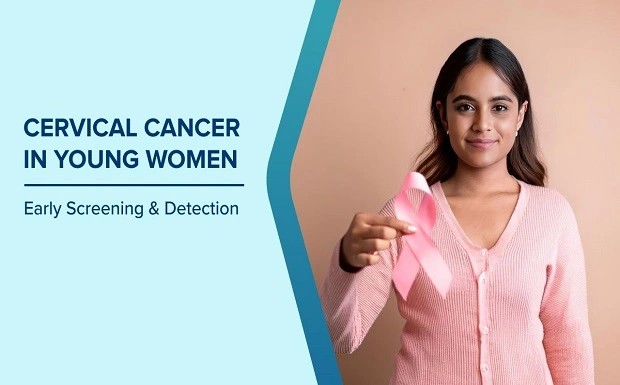
Early Detection of Cervical Cancer: Screening Guidelines
Cervical cancer develops on the surface of the cervix when its cells begin to transform into precancerous cells. Nearly all cases are linked to infection with HPV (human papillomavirus), a virus transmitted through sexual contact. Women can reduce their risk of cervical cancer by undergoing regular screenings, such as Pap smears, and by getting vaccinated against HPV.
What is cervical cancer screening?
The purpose of cervical cancer screening is to detect precancerous changes in cervical cells, allowing treatment to stop cancer from developing. Occasionally, screening may detect cervical cancer. When caught early, cervical cancer is generally easier to treat. However, once symptoms appear, the cancer may have started to spread, making treatment more challenging
There are three main ways to screen for cervical cancer:
The human papillomavirus (HPV) test examines cells for infection with high-risk types of HPV that can lead to cervical cancer.
The Pap test, also called a Pap smear or cervical cytology, collects cells from the cervix to look for changes caused by HPV that could develop into cervical cancer if not treated. It can detect both precancerous cells and cervical cancer cells. A Pap test can also sometimes identify noncancerous conditions, such as infections or inflammation.
The HPV and Pap cotest combines both tests to check for high-risk HPV and changes in cervical cells at the same time.
What Are The Causes And Risk Factors?
Most cervical cancers are linked to HPV, a sexually transmitted infection. HPV spreads through vaginal, anal, or oral sex and can cause cancer. Many people are infected with HPV at some point without knowing it because their immune system clears the virus. However, if the infection persists, it can lead to changes in cervical cells that may become cancerous.
Cervical cancer can occur even without known risk factors, though some people may have one or more. Risk factors that you can influence include:
HPV infection: Certain HPV types cause cervical cancer. Reducing your risk of HPV also lowers your risk of cervical cancer.
Sexual history: Early sexual activity and having multiple sexual partners may increase the risk of HPV infection.
Smoking: Smoking raises the risk of cervical cancer.
HIV infection: People living with HIV have a higher risk of developing cervical cancer.
Weakened immune system: A weak immune system makes it harder to fight infections.
Family history: Genetics may play a role in cervical cancer risk.
Signs or symptoms of cervical cancer
Vaginal discharge that may be watery or bloody, sometimes heavy, and possibly with a foul smell.
Vaginal bleeding after sexual intercourse, between periods, or after menopause.
Pain during sexual activity.
If the cancer spreads to nearby tissues or organs, additional symptoms may include:
- Difficulty or pain while urinating, sometimes with blood in the urine.
- Diarrhea or pain and bleeding from the rectum during bowel movements.
- Fatigue, unexplained weight loss, and loss of appetite.
- A general feeling of being unwell.
- Dull back pain or swelling in the legs.
- Pain in the pelvic or abdominal area.
What are the stages of cervical cancer?
The four primary stages of cervical cancer, and each stage can have numerous different substages. The four primary stages of cervical cancer are:
Stage I: The cancer occurs in just the neck of the cervix. It has not reached the deeper areas of the cervical tissue.
Stage II: Cancer has extended past the cervix and uterus but has not extended to the pelvic wall (the covering of the pelvis) or lower vagina.
Stage III: Cancer has extended to the bottom of the vagina and possibly extended to the pelvic wall, ureters (pee-carrying tubes from the kidneys to the bladder) and surrounding lymph nodes.
Stage IV: The cancer has spread to the bladder, rectum or to other areas of the body such as bones or lungs.
Your healthcare provider is the best person to discuss what stage of cervical cancer you have and what it means.
Guidelines For Cervical Cancer Screening
When to have cervical cancer screening and what type of test you should have based on your age and health status. The following are guidelines created by multiple organizations, including the American Cancer Society:
Ages 21-29: Women in this age group should have their first Pap test at age 21. They should then have a Pap test every three years. Even sexually active individuals do not need a Pap test prior to the age of 21.
Ages 30-65: Women in this age group should be screened for cervical cancer by one of the following:
HPV test every 5 years
HPV/Pap co-test every 5 years
Pap test every 3 years
Ages 65 and above: If you're in this age range, discuss with your health care provider whether or not screening is still necessary. If you have been screened regularly and have had normal results, you will probably be told that you no longer need to get screened. If your recent test was not normal or if you haven't been screened regularly, you may need to continue screening.
The Importance of Regular Screenings
Health experts recommend regular screenings for cervical cancer because if found early, cervical cancer is very treatable. Screenings can lower a person's chances of dying from cervical cancer.
Screening tests offer the best chance to find cervical cancer early when treatment is most likely to be successful. Screening can also actually prevent most cervical cancers by finding abnormal cervical cell changes (precancers) so that they can be treated before they become cervical cancers.
Conclusion
Early detection is the key to preventing and effectively treating cervical cancer. Regular screenings, including Pap tests, HPV tests, and co-tests, help identify precancerous changes before they turn into cancer. Vaccination against HPV and awareness of risk factors further reduce the chances of developing cervical cancer. At Ankura Hospital, we emphasize the importance of timely cervical cancer screenings and provide comprehensive care, guidance, and treatment options to ensure women’s health and well-being. Prioritizing preventive care today can save lives tomorrow.
Related Specialties
Frequently Asked Questions
Our healthcare specialists are equipped with the knowledge and skills to provide you with the support you require. From consultation to diagnosis to treatments, our experts are dedicated to helping you.